Bassy: A Stylish and Delicate Script Font for Modern Design
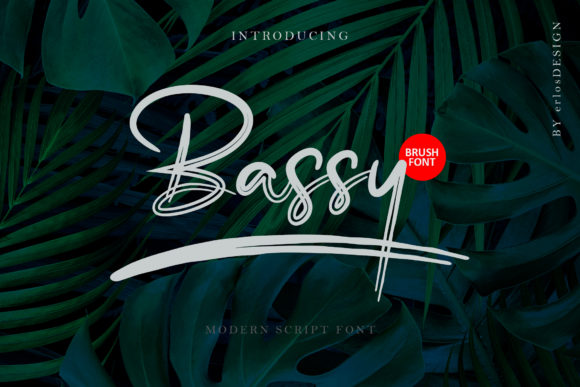
Bassy is a script font that combines elegance with simplicity, offering designers a versatile tool for a wide range of creative projects. With its clean, thin, and smooth appearance, Bassy stands out as a choice that balances sophistication with readability. Whether you're working on branding materials, product packaging, or digital content, Bassy can add a touch of refinement without overwhelming the viewer.
What Is Bassy?
Bassy is a stylized script font designed to convey a sense of grace and minimalism. Its delicate strokes and consistent line weight give it a modern feel that works well in both print and digital formats. Unlike more ornate script fonts that can appear cluttered or difficult to read, Bassy maintains clarity even at smaller sizes. This makes it an excellent option for headings, logos, and other elements where legibility is essential.
The font's design is inspired by handwritten lettering but refined to ensure consistency and professionalism. It features subtle variations in stroke thickness and a slight slant that mimics natural handwriting, making it feel personal yet polished.
Why Consider Using Bassy?
There are several reasons why Bassy may be appealing to designers and creatives. First, its minimalist aesthetic aligns well with current design trends that favor simplicity and clean lines. Second, its versatility allows it to be used across various applications, from branding to packaging. Third, its readability ensures that messages remain clear, which is crucial for effective communication.
For businesses looking to establish a brand identity that feels approachable and modern, Bassy offers a way to achieve this without relying on overly complex or traditional typefaces. Its smooth curves and light weight make it ideal for creating a soft, inviting atmosphere in visual designs.
Benefits of Using Bassy
- Readability: Despite being a script font, Bassy maintains a high level of readability, making it suitable for use in body text or headings.
- Versatility: It can be used for a variety of purposes, including logos, invitations, labels, and posters.
- Modern Aesthetic: The font's clean and minimal design fits well with contemporary design styles.
- Professional Appearance: Its refined look helps elevate the visual quality of any project it's applied to.
Considerations and Tradeoffs
While Bassy has many strengths, there are also some considerations to keep in mind. For instance, its thin strokes may not be ideal for printing on low-quality paper or in environments where the text needs to be highly legible from a distance. Additionally, because it is a script font, it may not be the best choice for long-form text where a more structured typeface would be more appropriate.
Another factor to consider is how Bassy interacts with other design elements. Since it has a delicate appearance, pairing it with bolder or more contrasting fonts may help create visual balance in a layout. However, overusing it could lead to a cluttered or inconsistent look.
Situations Where Bassy Is a Strong Fit
Bassy is particularly well-suited for projects that benefit from a soft, elegant feel. This includes:
- Branding: Use it in logos or brand names to convey a sense of sophistication and approachability.
- Product Packaging: Its clean lines and minimal style work well for labels and packaging that aim to stand out while remaining simple.
- Invitations: The delicate nature of Bassy makes it perfect for wedding or event invitations that want to feel personal and stylish.
- T-Shirts and Apparel: It can add a unique flair to clothing designs without overpowering the overall look.
- Posters and Promotional Materials: Bassy can enhance the visual appeal of posters and flyers when used in headlines or key messaging.
When to Consider Alternatives
In certain scenarios, other fonts may be more appropriate than Bassy. For example, if a project requires high contrast or boldness, a sans-serif or serif font might be a better choice. Similarly, if the text needs to be highly readable in small sizes or from a distance, a more structured typeface could be necessary.
Additionally, if the design calls for a more dramatic or ornate look, a different script font with heavier strokes or more variation in letterforms might be preferable. In these cases, evaluating the specific needs of the project will help determine whether Bassy is the right fit or if another font would serve better.
Practical Decision-Making Insights
When deciding whether to use Bassy, consider the following questions:
- Does the project require a font that feels elegant and modern?
- Will the text need to be legible in different sizes and contexts?
- Is the design intended for a professional or casual audience?
- How does Bassy complement or contrast with other design elements in the project?
Answering these questions can help guide the decision-making process and ensure that Bassy is used effectively. It's also helpful to test the font in different layouts and environments before finalizing a design to see how it performs under various conditions.
Ultimately, Bassy is a valuable addition to any designer's toolkit, offering a blend of style and functionality that can enhance a wide range of creative projects. By carefully considering its strengths and limitations, designers can make informed choices that align with their goals and deliver visually compelling results.