Lifelism Font: A Handwritten Touch for Every Design
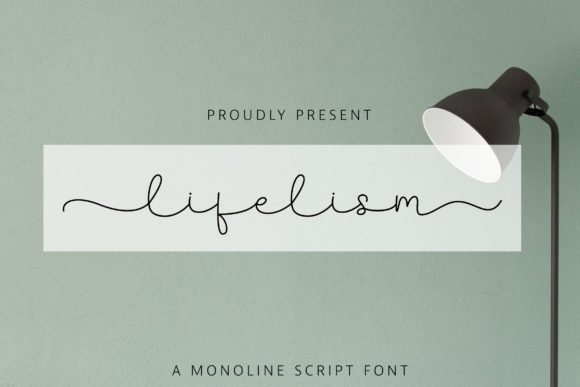
Lifelism is a delicate and thin handwritten font that brings a sense of warmth and personality to any design. Its beautifully balanced characters make it a versatile choice for a wide range of creative projects, from logos to social media posts. Whether you're an experienced designer or just starting out, Lifelism can elevate your work with its unique charm.
What Is Lifelism?
Lifelism is a handwritten font known for its elegance and simplicity. It mimics the natural flow of handwriting, making it ideal for designs that require a personal touch. The font’s thin strokes and well-proportioned letters give it a refined look that works across various mediums, from print to digital platforms.
Designed with attention to detail, Lifelism ensures readability while maintaining aesthetic appeal. This makes it suitable for both short phrases and longer texts, offering flexibility in its application.
Why Different Audiences Care About Lifelism
The appeal of Lifelism varies depending on the individual's needs and goals. For some, it might be about aesthetics; for others, it could be about functionality. Here's how different audiences might find value in Lifelism:
Beginners
For beginners in graphic design or typography, Lifelism offers an accessible entry point into using fonts creatively. Its clean lines and easy-to-read structure make it less intimidating than more complex typefaces. Beginners can experiment with Lifelism in projects like greeting cards or blog headers without worrying about overcomplicating their design.
Experienced Users
Experienced designers appreciate Lifelism for its versatility. They might use it to add a subtle, elegant feel to branding materials or marketing campaigns. The font's ability to blend seamlessly with other styles allows for creative experimentation without overpowering the overall design.
Creators and Entrepreneurs
Entrepreneurs and content creators often seek fonts that reflect their brand identity. Lifelism can help convey a sense of authenticity and approachability, which is especially valuable for businesses targeting niche markets or those looking to build a personal connection with their audience.
Marketers and Bloggers
Marketers and bloggers benefit from Lifelism's readability and visual appeal. It can be used effectively in headlines, call-out boxes, or promotional banners where a friendly yet professional tone is desired. The font’s subtle character helps maintain focus on the message while adding visual interest.
Educators and Freelancers
Educators might use Lifelism in classroom materials or presentations to create a more engaging learning environment. Freelancers can incorporate it into client proposals or portfolio websites to showcase their creativity and attention to detail.
Small Business Owners
Small business owners looking to enhance their brand image can leverage Lifelism in signage, packaging, or online content. Its soft, handwritten style can evoke trust and familiarity, helping to establish a stronger connection with customers.
Hobbyists and Consumers
Hobbyists who enjoy crafting or DIY projects may find Lifelism useful for customizing labels, scrapbooking, or handmade cards. Consumers who appreciate thoughtful design might notice the font in products or advertisements and associate it with quality and care.
Practical Use Cases for Lifelism
Lifelism can be applied in numerous ways, depending on the project's requirements. Here are a few practical examples:
- Logos and Branding: Use Lifelism to create a logo that feels personal and authentic. It works particularly well for small businesses or startups aiming to appear approachable.
- Social Media Graphics: Incorporate Lifelism into Instagram posts, Facebook covers, or Twitter headers to add a touch of personality to your online presence.
- Print Materials: Apply Lifelism to invitations, thank-you notes, or brochures where a handwritten feel enhances the message's sincerity.
- Web Design: Add Lifelism to website headers, navigation menus, or call-to-action buttons for a visually appealing and user-friendly interface.
- Presentations and Reports: Use Lifelism in slides or reports to break up text and make information more digestible while maintaining a professional appearance.
Choosing Lifelism: What to Consider
When deciding whether Lifelism is right for your project, consider factors like ease of use, cost, quality, and long-term usefulness. Here's how these priorities might influence your decision:
For beginners: Look for user-friendly tools that support Lifelism, such as Canva or Adobe Express, which offer templates and guides to simplify the design process.
For professionals: Focus on the font's scalability and compatibility with high-resolution printing or web display. Ensure it integrates smoothly with your existing design workflow.
For educators: Evaluate how Lifelism aligns with your teaching objectives. Does it support the learning outcomes you want to achieve? Will students find it engaging and easy to read?
For business owners: Consider the commercial value of using Lifelism in your branding. Does it resonate with your target audience? Will it help differentiate your brand from competitors?
For hobbyists: Think about the personal satisfaction of using a font that reflects your creative style. Does Lifelism inspire you to try new projects or explore different artistic directions?
Final Thoughts
Lifelism is more than just a font—it's a tool that can bring your ideas to life with grace and subtlety. Whether you're designing for yourself or a client, this handwritten font offers a unique way to express creativity and connect with your audience. By understanding how different groups might use or evaluate Lifelism, you can make an informed choice that aligns with your goals and values.
Explore Lifelism in your next project and discover how its delicate, balanced characters can transform your designs. With its wide range of applications, there's no shortage of opportunities to let your creativity shine through this beautiful font.