Memory: A Font That Elevates Creativity and Communication
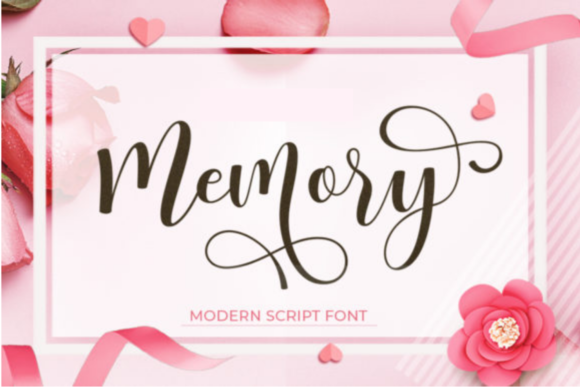
Fonts are more than just visual elements—they are tools that shape perception, influence emotion, and enhance the effectiveness of communication. Among the many options available, Memory stands out as a unique and versatile choice for those seeking to blend creativity with clarity. With its cute and casual handwritten feel, Memory brings warmth and personality to any project, making it ideal for a wide range of creative applications.
The Strategic Value of Memory in Creative Projects
Memory is not just another script font—it’s a strategic asset for anyone looking to add a personal touch to their work. Whether you're designing social media content, crafting invitations, or working on branding materials, this font can help convey a sense of approachability and authenticity. Its gorgeous swashes and ligatures allow for elegant variations, giving you the flexibility to adapt it to different styles and purposes.
For entrepreneurs and marketers, Memory can be particularly useful when building brand identity. It adds a human element to digital content, helping to establish a connection with the audience. This makes it especially effective for Instagram posts, blog headers, and promotional materials where a friendly and inviting tone is desired.
When to Use Memory for Maximum Impact
Knowing when to use Memory is key to leveraging its full potential. It works best in situations where a soft, personal, and artistic feel is needed. Consider using it for:
- Instagram captions and post titles to create a warm, engaging atmosphere.
- DIY projects like greeting cards, scrapbooking, or custom signage.
- Calligraphy scripts for weddings, events, or special occasions.
- Blog headers or website banners that require a more artistic and less formal look.
However, it's important to consider the context before applying Memory. While it excels in casual and creative settings, it may not be suitable for formal documents, technical reports, or professional presentations where readability and formality are essential.
Planning Your Use of Memory: Practical Tips and Strategies
Before incorporating Memory into your workflow, take time to plan how it will serve your goals. Think about the message you want to convey and how the font will support that message. For instance, if you're targeting a younger, more expressive audience, Memory could align perfectly with your brand voice.
Here are some practical steps to ensure Memory enhances rather than hinders your communication:
- Define your purpose: Are you using Memory for branding, marketing, or personal expression? Clarifying your objective will guide your choices.
- Test the font: Experiment with different sizes, weights, and color combinations to see how Memory performs across various platforms and devices.
- Pair it wisely: Combine Memory with a clean, sans-serif font for body text to maintain readability while adding visual interest.
- Consider legibility: Ensure that the font remains legible even when used in smaller sizes or in low-resolution formats.
By following these guidelines, you can make informed decisions that align with your creative and business goals.
Strategic Applications of Memory in Different Fields
Memory has a wide range of applications across various industries and disciplines. Here are a few examples of how professionals can strategically use this font:
- Freelancers and creatives: Incorporate Memory into your portfolio or website to showcase your personality and style.
- Small business owners: Use it in marketing materials to create a more personal and memorable brand image.
- Educators and publishers: Apply it in educational resources or children's books to foster a sense of playfulness and engagement.
- Event planners: Utilize Memory for invitations, programs, and signage to add a touch of elegance and charm.
Each of these scenarios demonstrates how Memory can be tailored to meet specific needs while maintaining its core appeal.
Risks of Using Memory Without Clear Intent
While Memory offers numerous benefits, it also comes with risks if used without careful consideration. One of the main pitfalls is overusing the font in contexts where it doesn't fit. For example, applying Memory to a corporate website might come across as unprofessional or inconsistent with the brand's tone.
Another risk is neglecting to pair it with other fonts that complement its style. If Memory is used as the only font in a design, it can lead to visual clutter or reduced readability, especially in longer texts.
To avoid these issues, always evaluate the context and purpose before using Memory. Ask yourself whether the font supports your message and enhances the overall experience for your audience.
How to Use Memory Intentionally
Intentional use of Memory involves thoughtful planning and alignment with your goals. Here are some strategies to help you use this font effectively:
- Align with your brand voice: Choose Memory if your brand values creativity, warmth, and individuality.
- Use it for emphasis: Highlight key phrases or headings with Memory to draw attention and create a focal point.
- Experiment with variations: Explore different ligatures and swashes to find the perfect match for your project.
- Balance with simplicity: Keep the rest of your design clean and minimal to ensure Memory remains the standout feature.
These approaches can help you integrate Memory into your work in a way that feels natural and impactful.
Conclusion: Making Memory Work for You
Memory is more than just a font—it's a creative tool that can elevate your projects and connect with your audience on a deeper level. By understanding its strengths and limitations, you can use it strategically to achieve your goals, whether they involve branding, marketing, or personal expression.
Remember, the key to success lies in intentionality. Always consider the context, purpose, and audience before using Memory, and don’t hesitate to experiment and refine your approach. With the right strategy, Memory can become a powerful asset in your creative toolkit.