Nomark: A Magical Serif Font for Professional and Creative Workflows
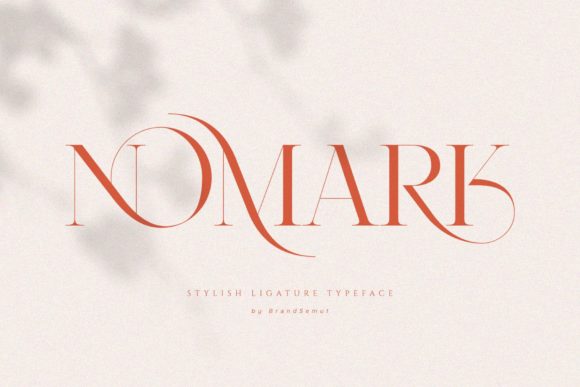
Nomark is a magical serif font that brings a unique blend of elegance and versatility to any design project. Designed with care and precision, this font is not just another typeface—it's a tool that enhances readability, adds visual appeal, and ensures consistency across various media. Whether you're working on web content, print materials, or digital presentations, Nomark adapts seamlessly to your needs.
Understanding the Role of Nomark in Design Workflows
Incorporating Nomark into your workflow starts with understanding its role as a foundational element of typography. It’s best suited for headlines of all sizes, from small subheadings to large banners. Its elegant curves and clean lines make it ideal for blocks of text that require both maximum and minimum variations—whether you need a bold statement or a subtle emphasis.
Designers often use Nomark during the initial planning phase when setting the tone for a project. It helps establish a visual hierarchy that guides the reader through the content effortlessly. This makes it especially useful for professionals like marketers, educators, and bloggers who rely on clear communication to convey their message effectively.
Integrating Nomark into Web and Print Projects
When working on web projects, Nomark can be used in combination with other fonts to create a balanced typographic system. For example, pairing it with a sans-serif font for body text allows for a contrast that improves readability without overwhelming the reader. This approach is commonly used by web developers and UI/UX designers to maintain a professional aesthetic while ensuring usability.
For print projects, Nomark shines in environments where a touch of sophistication is desired. Brochures, magazines, and even business cards benefit from its refined appearance. Print designers often choose Nomark for its ability to stand out while maintaining legibility at different sizes and distances.
One practical tip for using Nomark in print is to test it across various paper types and printing processes. While it performs well on most surfaces, some finishes may affect how the font appears. Ensuring compatibility with your chosen medium is crucial for achieving the desired outcome.
Using Nomark Across Different Media Types
Nomark isn't limited to static media; it also works beautifully in moving images and animations. Animators and video editors often use it for title sequences, captions, and overlays because of its dynamic yet elegant form. The font's smooth transitions between characters make it suitable for motion graphics that require both clarity and style.
For digital creators, integrating Nomark into their workflow means considering how it interacts with other design elements. When used alongside icons, illustrations, or photographs, it complements the overall composition without competing for attention. This makes it an excellent choice for content creators who want to maintain a cohesive visual identity across multiple platforms.
Practical Implementation Tips
To get the most out of Nomark, start by defining the purpose of your project. Are you creating a brand identity, designing a website, or preparing marketing materials? Each scenario may require a slightly different approach to font usage. For instance, if you're building a brand, consider how Nomark aligns with your brand's personality and values.
Another important factor is ensuring proper spacing and alignment. Nomark's serifs can sometimes appear heavier than expected, so adjusting leading and tracking settings can help achieve optimal results. Tools like Adobe Illustrator or Photoshop offer advanced typographic controls that allow for fine-tuning these details.
For those who are new to typography, experimenting with different weights and styles of Nomark can provide valuable insights. Some versions of the font may be more suitable for headings, while others work better for body text. Testing these variations in real-world scenarios will help determine which ones perform best under specific conditions.
Workflow Integration and Long-Term Use
Integrating Nomark into your long-term workflow involves more than just selecting the right font—it requires thoughtful planning and execution. One effective strategy is to develop a consistent typographic system that includes Nomark as a key component. This system should define how the font is used across different formats, sizes, and contexts.
For teams working on collaborative projects, establishing clear guidelines for font usage can prevent inconsistencies and ensure everyone is aligned. These guidelines might include recommendations for line spacing, character spacing, and color contrast when using Nomark alongside other design elements.
As part of your workflow, consider how Nomark interacts with other tools and resources. If you're using a CMS like WordPress or a design platform like Canva, check whether they support custom fonts and how easily you can integrate Nomark into these systems. Some platforms may require additional steps, such as uploading the font file or embedding it via CSS.
Finally, don't forget about maintenance and updates. As design trends evolve, so too may your needs for typography. Periodically reviewing how Nomark fits into your current projects can help identify areas for improvement and ensure that your typographic choices remain relevant and effective over time.
By thoughtfully incorporating Nomark into your workflow, you can enhance the visual quality of your projects while maintaining a high level of professionalism and creativity. Whether you're a designer, marketer, educator, or entrepreneur, this magical serif font offers a versatile solution that supports both aesthetics and functionality in every stage of your work.