Short Note: A Versatile Handwritten Font for Creative Projects
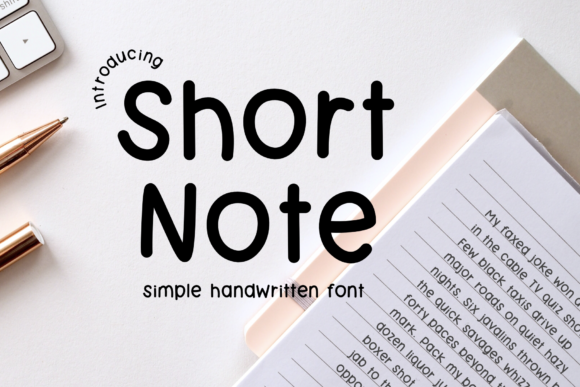
Short Note is a simple, round-lettered handwritten font that brings warmth and personality to any design. Whether you're crafting a logo, designing a greeting card, or creating content for your blog, this font adds a personal touch that can't be replicated by standard typefaces. Its clean lines and friendly appearance make it ideal for a wide range of creative applications.
Why Choose Short Note?
Short Note stands out because of its simplicity and readability. Unlike more elaborate script fonts, it maintains clarity even at smaller sizes. This makes it suitable for both digital and print projects. The font's rounded letters give it a soft, approachable feel, which is perfect for branding that wants to convey trust and friendliness.
Designers, bloggers, and entrepreneurs often use Short Note in their work because it blends well with other fonts and color schemes. It’s especially popular in invitations, planners, and photo albums where a personal, handwritten look is desired without sacrificing legibility.
Common Mistakes When Using Short Note
While Short Note is easy to use, there are some common mistakes that can affect the final outcome of your project. Here are a few things to watch out for:
- Ignoring Legibility: Some users may choose Short Note for its aesthetic appeal but overlook how it looks in different contexts. For example, using it in long paragraphs of text can make reading difficult. Always test the font in different sizes and layouts before finalizing your design.
- Misusing It for All Text: Short Note works best for short bursts of text such as headings, quotes, or captions. Using it for entire paragraphs can lead to a cluttered appearance and reduce readability.
- Not Matching It with Complementary Fonts: Pairing Short Note with the wrong font can create an unbalanced design. Look for fonts that have a similar style or contrast nicely with the rounded features of Short Note.
How to Avoid These Mistakes
To ensure that Short Note enhances rather than hinders your design, consider these tips:
- Use It Sparingly: Reserve Short Note for headlines, logos, or decorative elements rather than body text. This keeps your design clean and professional.
- Test in Different Sizes: Check how the font looks when scaled down. If it becomes too small or unclear, opt for a different font for that particular section.
- Pair with Appropriate Fonts: Combine Short Note with sans-serif fonts like Arial or Helvetica for a balanced look. This contrast helps maintain visual interest while ensuring readability.
What to Check Before Using Short Note
Before deciding to use Short Note in your project, take a moment to evaluate the following factors:
- Licensing Terms: Ensure you understand the licensing agreement for the font. Some fonts require attribution or have restrictions on commercial use.
- Compatibility: Confirm that the font is compatible with your design software or platform. Some fonts may not render correctly across all devices or programs.
- Quality of the Font File: Download the font from a reputable source to avoid issues with corrupted files or poor quality.
Realistic Examples and Better Approaches
Imagine you're designing a birthday card and want to add a personal message. Instead of using Short Note for the entire message, use it for the greeting and sign-off. This way, the font adds charm without overwhelming the reader.
If you're working on a blog post and want to highlight a quote, use Short Note for the quote itself and keep the rest of the text in a standard font. This creates a visual hierarchy that guides the reader’s attention effectively.
Another example is using Short Note in a planner or calendar. Apply it to dates or event names to make them stand out, but keep the main body text in a more readable font. This ensures that the information is easy to process at a glance.
Final Thoughts
Short Note is a valuable tool for anyone looking to add a personal, handwritten feel to their designs. By understanding its strengths and limitations, you can use it more effectively and avoid common pitfalls. Remember to test the font in various contexts, pair it wisely with other fonts, and always prioritize readability.
Whether you're a beginner or a seasoned designer, incorporating Short Note into your projects can elevate your work and create a more engaging experience for your audience. Use it thoughtfully, and it will become a trusted part of your creative toolkit.