The Throne: A Strategic Font for Gothic, Vintage, and Rock-Themed Design
The Throne is more than just a blackletter font—it’s a design tool with the potential to elevate branding, evoke emotion, and communicate identity in powerful ways. With its bold, ornate letterforms and historical roots, The Throne is uniquely suited for projects that require a sense of gravitas, tradition, or rebellion. Whether you're designing whiskey packaging, crafting gothic-inspired visuals, or building a brand with a vintage aesthetic, this font can be a strategic asset if used thoughtfully.
Understanding The Throne: Purpose and Aesthetic
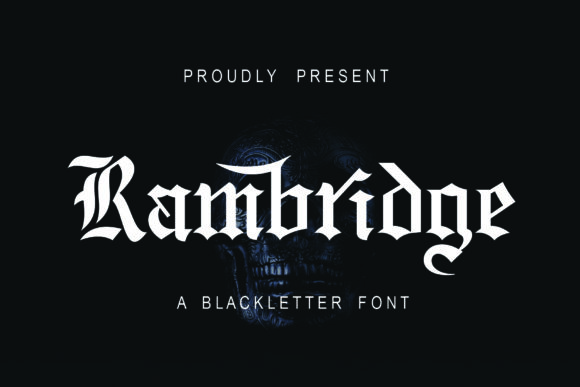
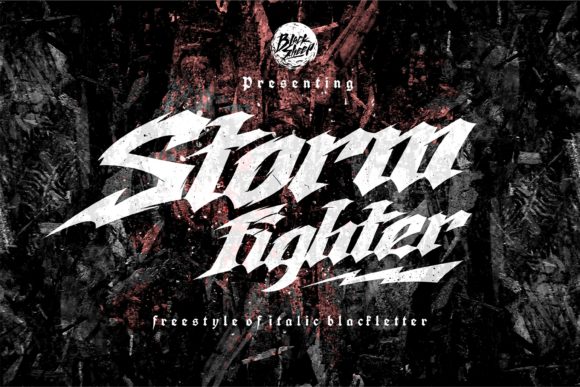
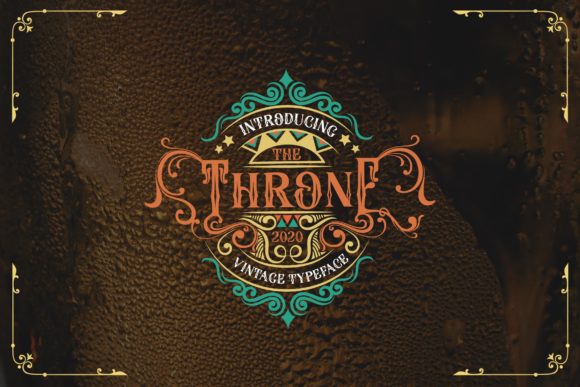
The Throne typeface draws inspiration from medieval script styles, characterized by its thick strokes, flourishes, and dramatic contrast between ascenders and descenders. This makes it especially effective for headlines, logos, and other elements where visual impact is key. Unlike modern sans-serif fonts, The Throne carries a sense of authority and timelessness, which can be leveraged in a variety of contexts.
For example, whiskey packaging often benefits from a font that conveys strength, heritage, and luxury. The Throne can help create that impression instantly, making it an excellent choice for distilleries looking to stand out in a competitive market.
Strategic Use Cases for The Throne
While The Throne is visually striking, its value lies in how it aligns with your goals. Consider these scenarios where it could provide real benefit:
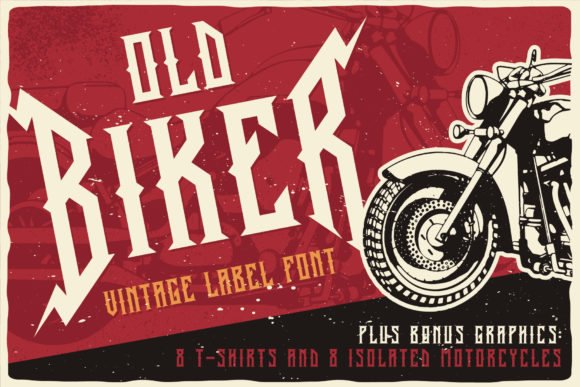
- Gothic and Vintage Branding: If your brand is rooted in history or nostalgia, The Throne can reinforce that identity. It works well for book covers, album art, and even retro-themed websites.
- Rock and Metal Music Projects: The aggressive, angular nature of The Throne mirrors the intensity of rock and metal genres. It can be used for band names, tour posters, or merchandise designs.
- Whiskey and Spirits Packaging: As mentioned earlier, The Throne adds a touch of sophistication and age to labels, bottles, and promotional materials.
- High-End Product Packaging: Luxury brands may find that The Throne gives their products a sense of exclusivity and craftsmanship.
Planning Your Use of The Throne
Before relying on The Throne, consider your audience, message, and context. Here are some planning tips to ensure it enhances rather than hinders your design:
- Define Your Goal: Are you trying to convey power, rebellion, tradition, or something else? Make sure The Throne supports that goal.
- Test Readability: While The Throne looks impressive, it can be difficult to read in long passages. Reserve it for short text like headlines or taglines.
- Pair with Complementary Fonts: Use The Throne as a headline font and pair it with a clean, modern font for body text to maintain legibility and balance.
- Consider Color and Background: The Throne works best on dark backgrounds or with high-contrast colors. Avoid using it on light or busy backgrounds where it might get lost.
When to Avoid The Throne
Despite its strengths, The Throne is not always the right choice. Avoid using it in situations where clarity and simplicity are essential, such as:
- Mobile Apps or Websites with Large Amounts of Text: The intricate details of The Throne can make it hard to read on small screens or in long paragraphs.
- Modern or Minimalist Brands: If your brand identity is sleek, contemporary, or tech-focused, The Throne may clash with your overall aesthetic.
- Children's Products or Educational Materials: The font's complexity may confuse younger audiences or reduce readability in learning environments.
Integrating The Throne into Your Workflow
If you decide to use The Throne, here’s how to integrate it effectively:
Step 1: Start with a clear purpose. Ask yourself what message you want to send and whether The Throne aligns with that message.
Step 2: Experiment with different weights and sizes. The Throne has variations that can be tailored to fit different design needs, from subtle accents to dominant headlines.
Step 3: Test it across platforms. Ensure that The Throne displays correctly on web pages, mobile devices, and print media. Some fonts may render differently depending on the device or software being used.
Step 4: Gather feedback. Show your designs to others and see if they interpret the message the way you intend. Adjust as needed based on their responses.
Risks of Using The Throne Without Strategy
Like any design element, The Throne can be misused. If you apply it without considering your audience or context, you risk confusing viewers or diluting your brand’s message. For instance, using The Throne for a children's toy line might come off as inappropriate or unapproachable. Similarly, applying it to a corporate website might give the wrong impression of professionalism or reliability.
To avoid these pitfalls, always ask: Does this font support my message? Is it appropriate for my audience? Will it enhance or detract from the user experience?
Real-World Examples of The Throne in Action
Let’s look at a few practical examples of how The Throne has been used successfully:
- A whiskey label uses The Throne for the brand name, paired with a serif font for the description. The result is both elegant and eye-catching, reinforcing the product’s premium feel.
- A rock band incorporates The Throne into their album artwork and tour posters, creating a cohesive visual theme that reflects their music style.
- An online store sells vintage clothing and uses The Throne in its logo and header, helping to establish a strong connection with its target audience.
Final Thoughts on Strategic Font Selection
The Throne is a powerful font when used with intention. Its unique characteristics make it ideal for specific design themes, but it should never be chosen simply for aesthetics alone. Always align your font choices with your goals, audience, and context.
By carefully planning your use of The Throne—whether for whiskey packaging, rock-themed designs, or vintage branding—you can create compelling visuals that resonate with your audience and support your long-term objectives. Remember, the best design decisions are those that serve a clear purpose and deliver measurable results.