Western Font: A Dainty and Joyful Choice for Personalized Design
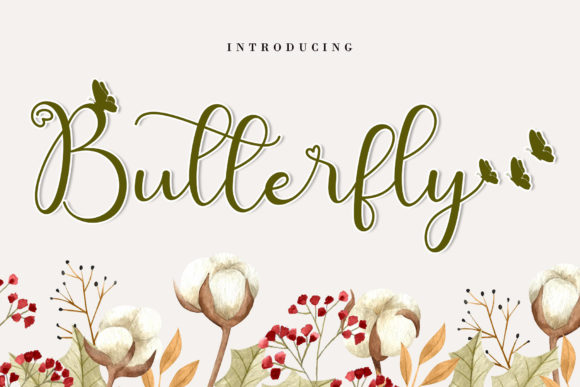
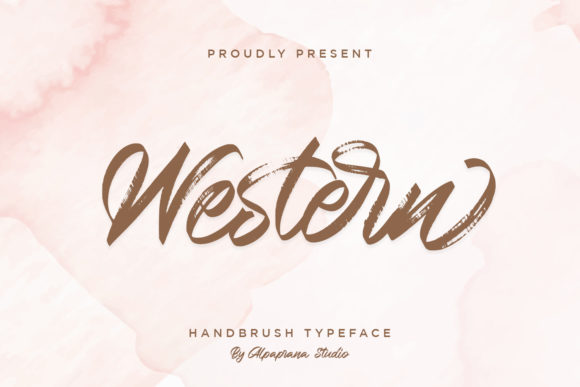
The Western font is a beautifully crafted, brushed handwritten typeface that exudes charm and elegance. Designed to evoke a sense of warmth and personal touch, it has become increasingly popular among designers, event planners, and individuals looking to add a unique flair to their creative projects. Its dainty and joyful appearance makes it particularly well-suited for romantic or sentimental occasions, such as wedding invitations, greeting cards, and other bespoke design elements.
Western is not just another font; it's a stylistic choice that can transform the way messages are conveyed. With its soft curves and natural flow, it brings a sense of authenticity and individuality to any text it adorns. This article explores what Western is, when it might be the right fit, and what users should consider before choosing it for their next project.
Understanding the Western Font
Western is a handwritten font that mimics the look of cursive writing done with a brush or pen. It features subtle variations in stroke width and an organic feel that distinguishes it from more rigid, sans-serif or serif fonts. The font’s character set includes both uppercase and lowercase letters, making it versatile for a wide range of applications.
What sets Western apart is its ability to convey emotion through typography. Its gentle, flowing lines give it a romantic and heartfelt appearance, which is why it is often used in designs that aim to express love, celebration, or nostalgia.
Why Someone Might Be Interested in Western
Individuals who value personalization and emotional expression in their design work may find Western appealing. It is especially popular among those creating wedding-related materials, such as invitations, thank-you notes, and RSVP cards. Its aesthetic aligns well with themes of love, unity, and celebration, making it a go-to choice for special events.
Designers who want to create a warm and inviting atmosphere in their work may also appreciate the versatility of Western. It can be used in branding, packaging, or even digital media where a softer, more approachable tone is desired.
Benefits of Using the Western Font
- Emotional Appeal: The font's hand-drawn style evokes a sense of intimacy and sincerity, which is ideal for romantic or sentimental content.
- Versatility: While primarily suited for decorative or artistic purposes, Western can be adapted for various design contexts, including print and digital formats.
- Unique Style: In a world where many fonts tend to be uniform, Western offers a distinctive look that can help stand out in a crowd.
Potential Tradeoffs and Considerations
While Western has many strengths, it may not be suitable for all situations. One key consideration is legibility. Because it is a handwritten font, some characters may be less clear than in more structured typefaces, especially at smaller sizes or in low-resolution environments.
Another factor to keep in mind is scalability. Western may not render as cleanly on screens or in certain software programs compared to more standard fonts. Users should test how it appears across different platforms and devices before finalizing a design.
Additionally, while Western is excellent for short-form text like invitations or quotes, it may not be the best option for long passages of body text due to potential readability issues.
Situations Where Western Is a Strong Fit
Western shines in scenarios where a personal, handcrafted look is desired. Here are a few examples:
- Wedding Invitations: Its romantic and elegant style makes it perfect for creating a memorable first impression.
- Greeting Cards: Whether for birthdays, anniversaries, or holiday greetings, Western adds a heartfelt touch.
- Personalized Stationery: From thank-you notes to custom labels, this font helps make everyday communication feel more special.
- Branding and Packaging: For businesses aiming to convey warmth and approachability, Western can be a great addition to logos or product packaging.
When Alternatives May Be Worth Considering
While Western is a beautiful and expressive font, there are instances where alternative choices may be more appropriate. If clarity and professionalism are top priorities—such as in business reports, academic papers, or technical documentation—more formal or modern fonts may be better suited to the task.
For projects requiring high legibility or compatibility across multiple platforms, fonts like Arial, Helvetica, or Georgia may be preferable. These fonts ensure consistent rendering and are widely supported across different operating systems and web browsers.
Users who require extensive use of the font in large blocks of text should also consider alternatives that offer better readability without sacrificing style.
Practical Decision-Making Insights
Before deciding to use Western, it's important to evaluate the purpose of the design and the audience it will reach. Ask yourself: Does this font align with the message I want to convey? Will it be easily readable by my target audience? Are there any technical limitations that could affect its performance?
Testing the font in different contexts—on screen, in print, and across various devices—is a good way to gauge its effectiveness. Additionally, considering how it pairs with other fonts or design elements can help ensure a cohesive and visually pleasing outcome.
Ultimately, Western is a fantastic choice for those looking to add a personal and romantic touch to their design work. However, it's essential to weigh its benefits against potential tradeoffs and choose the right tool for the job based on specific needs and goals.