Avocado Family: A Versatile Font Trio for Designers and Content Creators
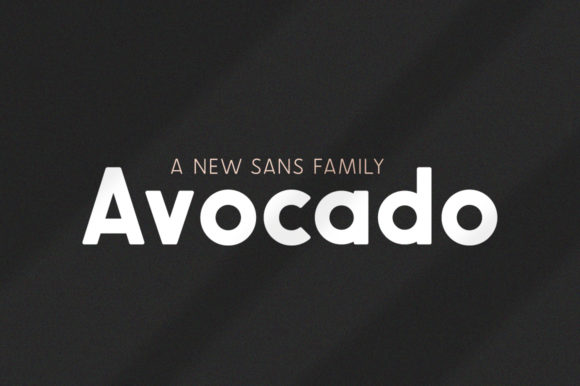
The Avocado Family is a modern typeface collection that includes three distinct weights—Regular, Thick, and Thin—each designed to work seamlessly together. This trio offers a flexible solution for designers and content creators looking for a cohesive yet dynamic font system. Whether you're working on branding materials, digital interfaces, or printed media, the Avocado Family provides a clean, adaptable base that can be tailored to suit a wide range of visual needs.
What Is the Avocado Family?
The Avocado Family consists of three weights: Regular, Thick, and Thin. These variations allow for nuanced typographic expression while maintaining a consistent design language across all weights. The fonts are optimized for readability and aesthetics, making them suitable for both short and long-form text. Their neutral yet distinctive style makes them a versatile choice for various applications.
Each weight in the Avocado Family maintains the same character set, ensuring consistency when using multiple weights within the same project. This uniformity simplifies the design process, as users can easily switch between weights without worrying about inconsistencies in spacing or proportion.
Why Consider the Avocado Family?
Designers and developers may find the Avocado Family appealing for several reasons. First, its three-weight system allows for greater typographic hierarchy without requiring additional font families. This can be especially useful in projects where simplicity and efficiency are key.
Second, the Avocado Family works well with scripts and serifs, offering a balanced contrast that enhances legibility and visual interest. This compatibility makes it a strong candidate for projects that require a mix of font styles, such as editorial layouts or branding that incorporates both modern and traditional elements.
Additionally, the Avocado Family's clean lines and open counters contribute to its readability, which is essential for body text in long-form content. Its subtle character details ensure that it remains visually engaging without overwhelming the reader.
Benefits and Tradeoffs
The primary benefit of the Avocado Family is its versatility. With three weights available, users can create visual depth and emphasis without needing to source additional fonts. This reduces the complexity of managing multiple font files and ensures a more streamlined workflow.
Another advantage is the ease of integration. The Avocado Family is designed to pair well with other font categories, such as scripts and serifs, allowing for creative combinations that enhance the overall design without clashing.
However, there are some tradeoffs to consider. While the Avocado Family is well-suited for many applications, it may not be the best choice for highly specialized uses, such as high-contrast displays or very small text sizes. In these cases, alternative fonts with more refined technical specifications might be more appropriate.
Additionally, the Avocado Family does not include stylistic alternates or ligatures, which could be a limitation for projects that require advanced typographic features. Users who need these elements may need to supplement the Avocado Family with other font options.
Situations Where Avocado Family Fits Well
The Avocado Family is an excellent choice for projects that require a clean, modern aesthetic with a degree of flexibility. It works particularly well in the following scenarios:
- Branding and Logos: The Avocado Family’s clean design and consistent weight variations make it ideal for creating logos and brand identities that convey professionalism and approachability.
- Web Design: The font’s readability and scalability make it a solid option for websites, especially for body text and headings that need to remain legible across different screen sizes.
- Print Media: The Avocado Family’s crisp lines and balanced proportions ensure that it looks great in print, whether used for brochures, magazines, or packaging.
- Editorial Layouts: The ability to use multiple weights allows for clear typographic hierarchy, making it a good fit for articles, reports, and other long-form content.
When to Consider Alternatives
While the Avocado Family is a strong option for many projects, there are situations where alternative fonts may be more suitable. For example, if a project requires a highly decorative or stylized font, the Avocado Family’s minimalist approach may not be the best fit. In such cases, a script or display font could provide the desired visual impact.
Similarly, if a project involves complex typographic features such as ligatures or stylistic alternates, users may want to explore other font families that offer these capabilities. The Avocado Family’s lack of these features could limit its usefulness in certain design contexts.
Finally, for projects that demand extreme customization or extensive character sets (such as multilingual content), users should evaluate whether the Avocado Family supports the necessary languages and symbols.
Practical Insights for Choosing Avocado Family
When evaluating the Avocado Family, consider the specific needs of your project. Ask yourself: Does the font’s style align with the tone and message of your content? Will the three weights provide enough variation to meet your design goals? Are there any technical limitations that could affect its performance in your intended medium?
If you're working on a project that values simplicity and adaptability, the Avocado Family is likely a strong contender. However, if your needs require more specialized typographic features or a broader range of stylistic options, you may want to compare it with other font families before making a decision.
Ultimately, the Avocado Family offers a practical, aesthetically pleasing solution for designers and content creators who prioritize versatility and consistency. By carefully considering its strengths and limitations, you can determine whether it aligns with your project’s requirements and goals.