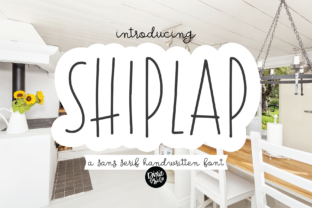
Shiplap: A Versatile Sans Serif Font for Modern Design
Shiplap is a contemporary sans serif font that has gained popularity among designers and typographers due to its clean, modern aesthetic. Its name is derived from the wooden planks used in shipbuilding, which are often arranged in an overlapping pattern to create a textured look. This visual inspiration translates into the font’s design, where each letter appears structured yet approachable. With its balanced proportions and subtle geometric influences, Shiplap is well-suited for a wide range of applications, from digital interfaces to print media.
What Makes Shiplap Unique?
The defining characteristic of Shiplap is its ability to blend formality with casual charm. Unlike more rigid or overly decorative fonts, it maintains a sense of order while still feeling friendly and easy on the eyes. The letters are evenly spaced, with minimal serifs, which contributes to a sleek and professional appearance. This neutrality makes it adaptable across various design contexts without overpowering the content it accompanies.
Another notable feature of Shiplap is its excellent legibility at different sizes. Whether used for body text in a magazine layout or as a headline on a website, the font remains clear and readable. This versatility is particularly valuable in multi-platform projects where consistency across devices and mediums is essential.
Comparing Shiplap with Similar Fonts
When evaluating Shiplap, it's helpful to consider how it stacks up against other popular sans serif fonts. For instance, compared to Helvetica, which is known for its timeless elegance, Shiplap offers a slightly more modern and casual feel. While Helvetica can sometimes appear too sterile or clinical, Shiplap adds a touch of warmth without sacrificing professionalism.
Similarly, when compared to Arial, another widely used sans serif font, Shiplap distinguishes itself through more refined character shapes and better spacing. Arial, though functional, can feel somewhat generic and lacks the distinct personality that Shiplap brings to the table.
For those looking for something with a bit more texture or visual interest, Shiplap may be a preferable option over simpler fonts like Roboto or Open Sans. These latter fonts, while highly readable, tend to be more uniform in their design, whereas Shiplap introduces subtle variations in stroke weight and shape that add depth and character.
Strengths and Tradeoffs of Using Shiplap
The primary strength of Shiplap lies in its adaptability. It works well in both formal and informal settings, making it a versatile choice for designers who need a font that can evolve with the project’s tone. Its clean lines and balanced structure ensure that it doesn’t distract from the message being conveyed, whether that’s a marketing campaign, a blog post, or a user interface.
However, there are also tradeoffs to consider. Because of its neutral nature, Shiplap might not be the best choice for projects that require a strong visual identity or a unique brand voice. In such cases, a more distinctive font could help reinforce the brand’s personality and make it stand out from competitors.
Additionally, while Shiplap is highly legible, it may not be the most suitable option for very long passages of text in small sizes. Although it performs well under most conditions, some readers may find it less engaging than fonts with more dynamic or expressive designs.
Best-Fit Situations for Shiplap
Shiplap shines in situations where clarity and simplicity are paramount. It is particularly effective for:
- Websites and apps: Its readability and clean appearance make it ideal for digital interfaces where users need to quickly scan and absorb information.
- Print media: From magazines to brochures, Shiplap ensures that text remains legible and aesthetically pleasing even when printed at smaller sizes.
- Presentations and slideshows: The font’s balance of formality and approachability helps maintain a professional yet engaging tone throughout the presentation.
- Brand collateral: When paired with appropriate imagery and color schemes, Shiplap can contribute to a cohesive and modern brand identity.
In contrast, if a project requires a more dramatic or artistic typeface, Shiplap may not be the optimal choice. Similarly, for highly technical documents or academic papers, a more traditional serif font might be preferred for its perceived authority and maturity.
Real-World Examples and Practical Comparisons
Consider a scenario where a designer is creating a landing page for a new product launch. They want the font to convey trustworthiness while still feeling modern and approachable. In this case, Shiplap would be an excellent choice, as it strikes the right balance between professionalism and friendliness. It allows the brand to communicate its message clearly without appearing too stiff or too casual.
On the other hand, if the same designer were working on a luxury fashion brand’s website, they might opt for a more ornate or script-style font to reflect the brand’s high-end positioning. Here, Shiplap would serve as a solid alternative but might not fully align with the desired aesthetic.
Another example involves a mobile app designed for productivity. The font needs to be easily readable on small screens and remain consistent across different platforms. Shiplap meets these requirements with its excellent legibility and clean design, making it a practical choice for such an application.
When to Choose Shiplap and When to Consider Alternatives
Shiplap is likely the right choice when you need a font that is both professional and approachable. It is especially useful in projects where the goal is to communicate information clearly without drawing unnecessary attention to the typography itself. If your design requires a neutral, versatile typeface that works well in multiple contexts, Shiplap is worth considering.
However, if your project demands a more distinctive or stylized look, you may want to explore other options. Fonts like Montserrat, Lato, or Playfair Display offer different textures and personalities that could better suit specific creative goals. Ultimately, the decision should be based on the overall tone of the project, the audience it targets, and the message it aims to convey.
By carefully evaluating the strengths and limitations of Shiplap and comparing it with other available options, designers can make informed decisions that align with their creative vision and functional requirements.